“You never change things by fighting the existing reality. To change something, build a new model that makes the existing model obsolete.” This quote, commonly attributed to Richard Buckminster Fuller, captures remarkably well the challenge ahead of us.
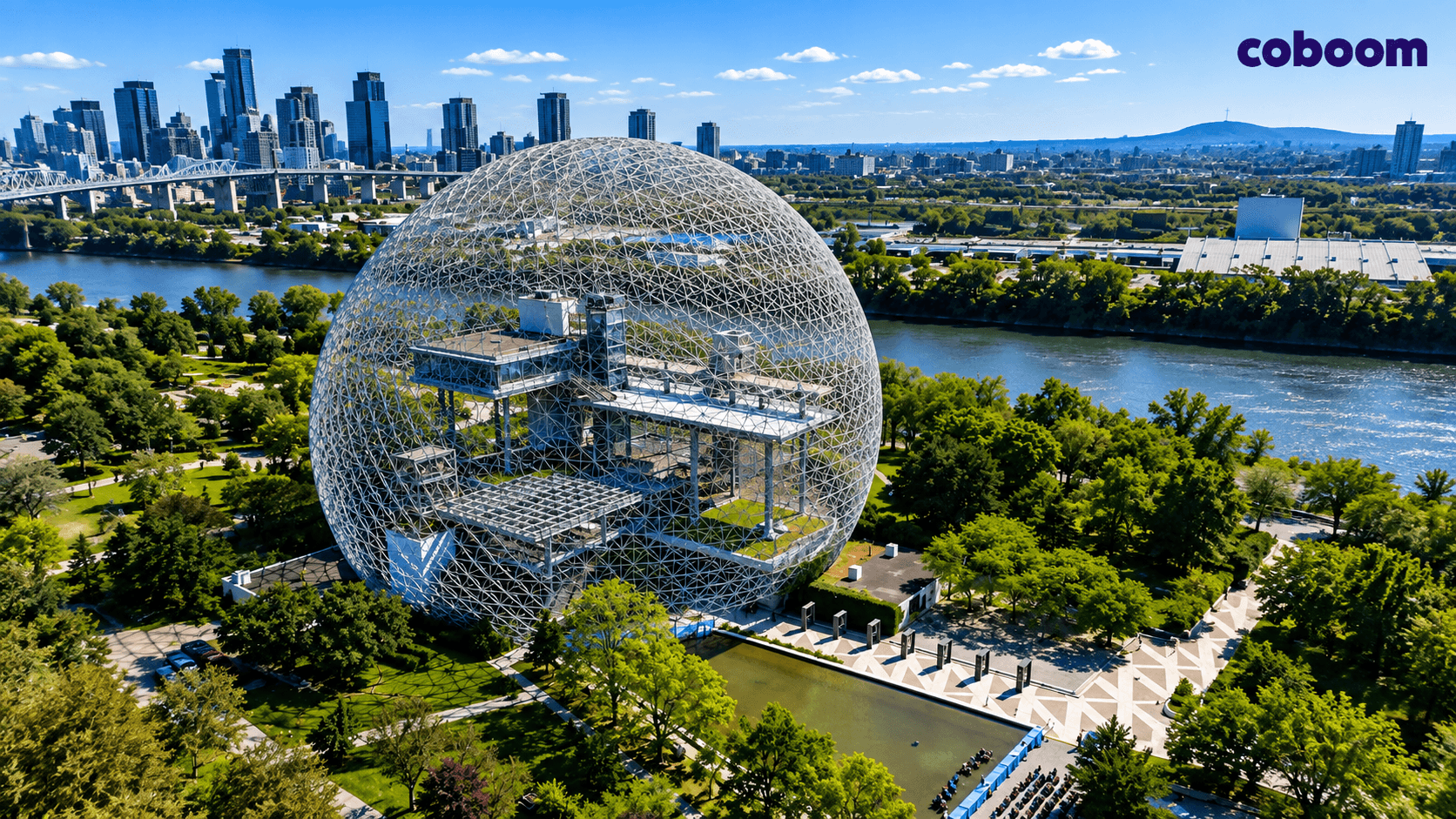
Fuller was an American inventor, architect, and systems thinker. He designed the United States Pavilion for Expo 67 in Montréal, the spectacular geodesic dome that became the Biosphère, one of the city’s most recognizable landmarks and now a museum dedicated to environmental issues.
Decades before sustainable development, sustainable finance, and green growth became dominant economic narratives, Fuller was already proposing a more fundamental approach. When a system reaches its limits, progress comes from creating a model better suited to the new reality.
That is exactly where we are today. Our economic system was built for a world of abundant, inexpensive energy and natural resources, while dozens of long-term energy, material, demographic, geopolitical, economic, and ecological trends have been progressively reshaping the conditions in which companies and communities operate. The pandemic made many of these transformations much more visible, and their impacts will intensify through 2040.
This is why we deliver dozens of conferences across Quebec every year on foresight, long-term trends, and the metacrisis. Mental models inherited from the 20th century still shape many of today’s investment and development decisions, creating what we call zombie development: projects, companies, and infrastructure designed for a world that is disappearing.
Recent years have already produced several high-profile business failures backed by significant public funding. Other major investments could become tomorrow’s white elephants when their underlying assumptions about economic growth, energy, resources, transportation, or demand remain anchored in yesterday’s conditions.
The next chapter requires us to collectively co-create new economic models over time. These models must meet essential human needs with fewer resources while operating within increasingly binding biophysical constraints. Technology will play an important role, within the same physical realities of energy, materials, infrastructure, and planetary limits that shape every economic activity.
This is what drives the team at Coboom. We explore, develop, and experiment with new models to build more robust companies and communities capable of evolving through the profound long-term trends reshaping the 21st century.
Buckminster Fuller understood something essential decades ago: major transformations begin when we stop perfecting yesterday’s models and start building the ones tomorrow will require.