For too long, we have confused consumption with the economy itself. A consumption-driven economy follows a simple logic: generate more transactions, sell more, and accelerate the replacement of goods and services, even when essential needs are already largely met.
To keep that machine running, marketing turns wants into needs, products are replaced at an ever-faster pace, and marginal upgrades become reasons to buy again. Business models multiply subscriptions, complexity, and opportunities to consume, while credit keeps the system moving by pushing part of the bill into the future.
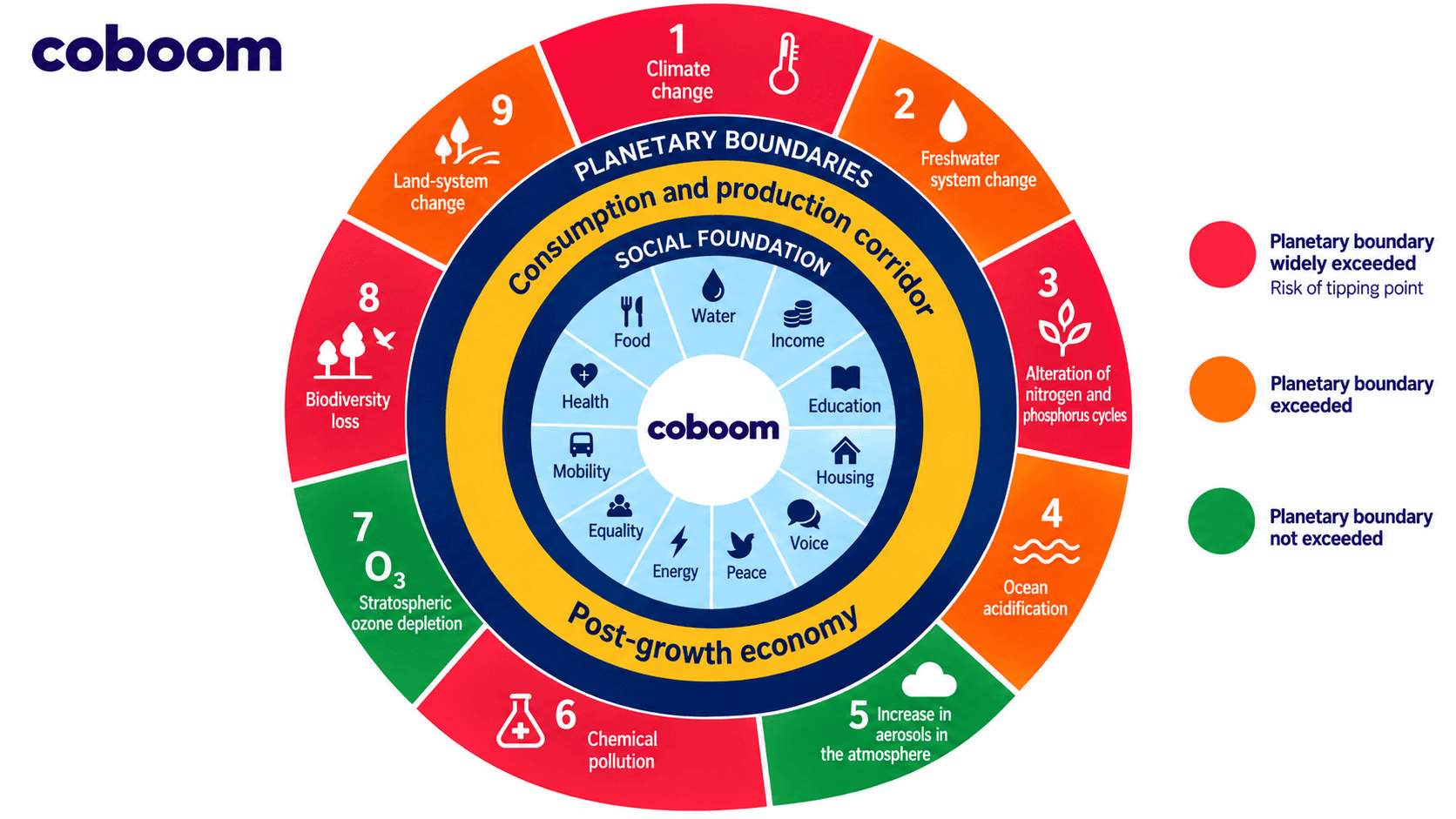
A needs-based economy follows a very different logic. It uses energy, materials, labor, time, and money to feed, house, heal, transport, educate, protect, and connect people as efficiently and sustainably as possible. Its performance is measured by how well it meets essential needs with fewer resources and greater robustness.
That distinction becomes increasingly important in an economy where many markets are maturing, household and government debt remain high, and infrastructure maintenance backlogs continue to grow. Natural resources are also becoming more costly to extract, while their overuse places growing pressure on ecosystems.
Our response is still too often to accelerate the machine. More marketing, more sales effort, more credit, faster product turnover, and more pressure on workers can temporarily sustain volumes. Human ingenuity then becomes remarkably effective at moving money, goods, and ultimately waste through the economy at ever-greater speed.
This logic is gradually turning the consumption economy into a burnout economy. Companies are expected to grow faster than their markets, managers are expected to hit ever-higher targets, employees are expected to produce more with fewer resources, and households are expected to work more to sustain ever-higher levels of consumption.
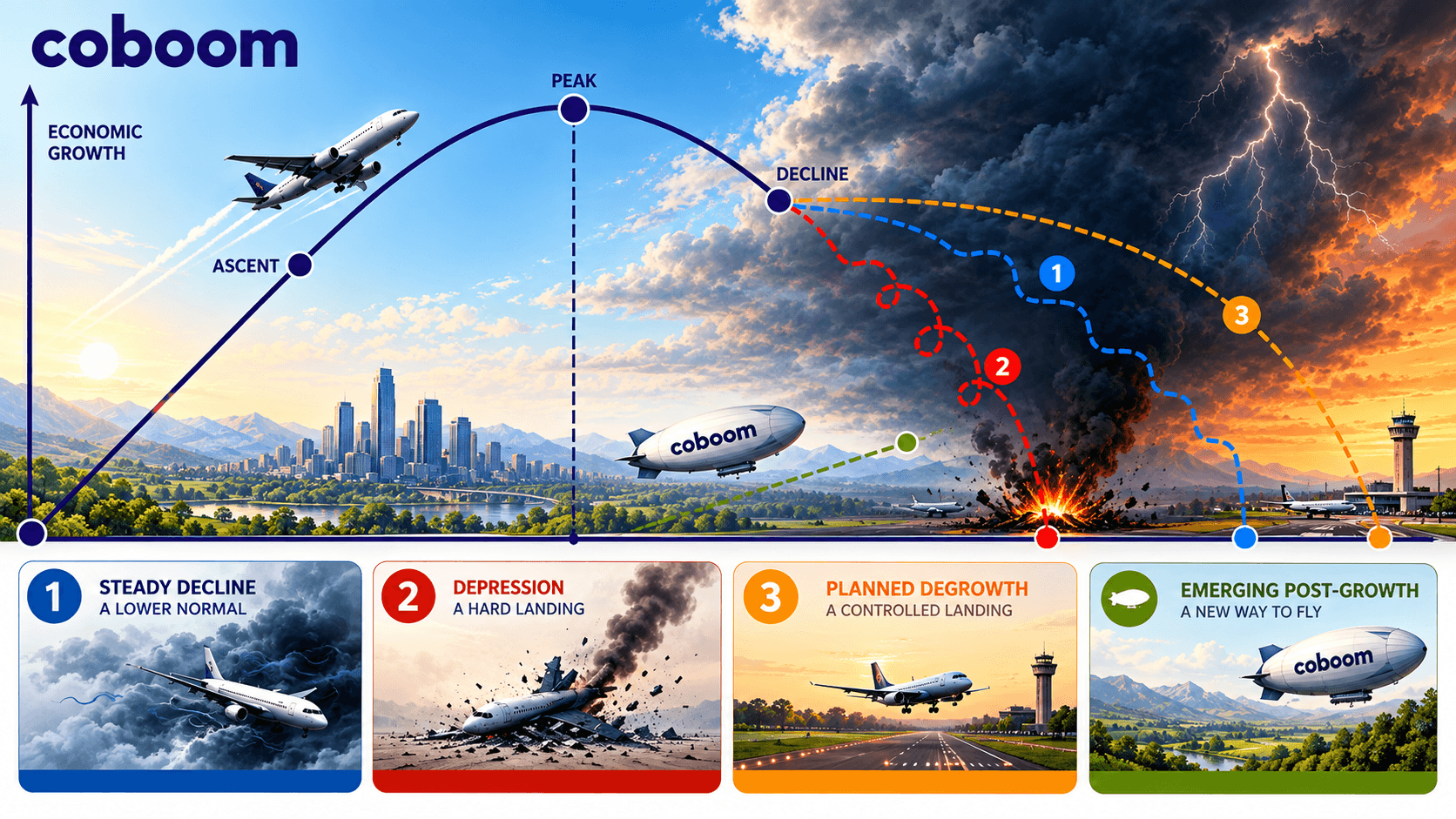
The result is a system that simultaneously exhausts people, companies, public finances, and ecosystems in order to extend an economic model built around the continuous expansion of volumes. That trajectory becomes increasingly fragile in a 21st century shaped by tighter energy, material, economic, social, and ecological constraints.
A needs-based economy offers a much more robust path. It prioritizes useful, durable, and repairable goods, strengthens local capabilities, reduces critical dependencies, and directs innovation toward meeting essential needs with fewer resources.
A mature economy measures success by more than the number of transactions it generates. It creates value by meeting essential needs more effectively, with the resources actually available and within the limits of the physical world.