Since the spring, we have published about a dozen articles on the profound shifts reshaping our economy. Through our research, our work, and our conversations with businesses and economic development leaders across Quebec, one conviction has become increasingly clear: we are reaching the end of an era.
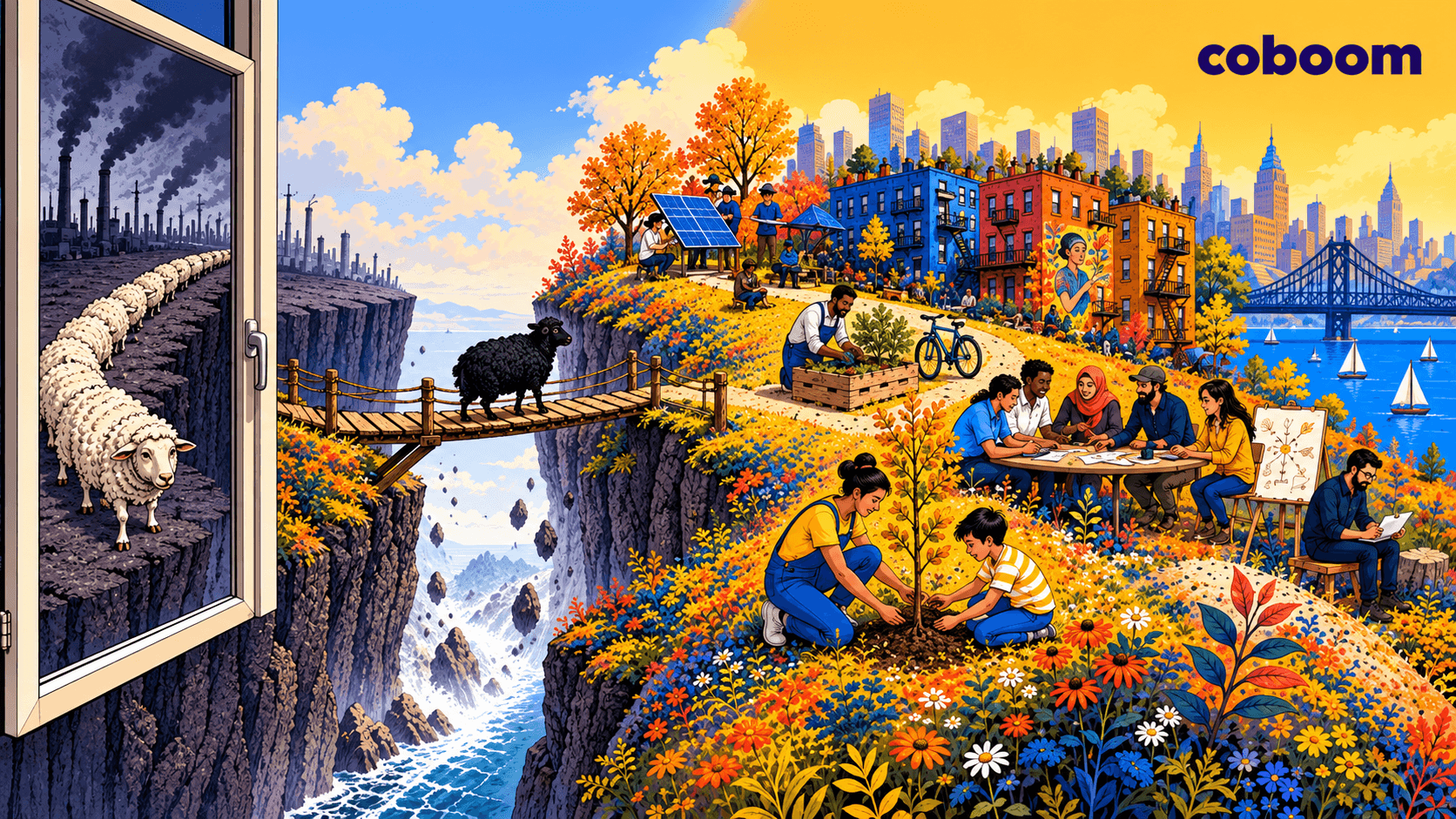
This goes beyond GDP, debt, inflation, or productivity. Something deeper is changing. Models that once seemed solid are becoming fragile, long-held assumptions are being challenged, and some activities that once looked promising are starting to lose relevance. In the fog, a new economic world is trying to emerge.
Technological progress was supposed to free us from part of the burden of work. It is now beginning to deliver on that promise. After automating much of repetitive physical work, artificial intelligence is rapidly moving into knowledge work. Tasks involving analysis, writing, programming, design, and administration can already be completed in seconds rather than hours. The question is no longer simply what we can automate, but what we will do with that new capacity.
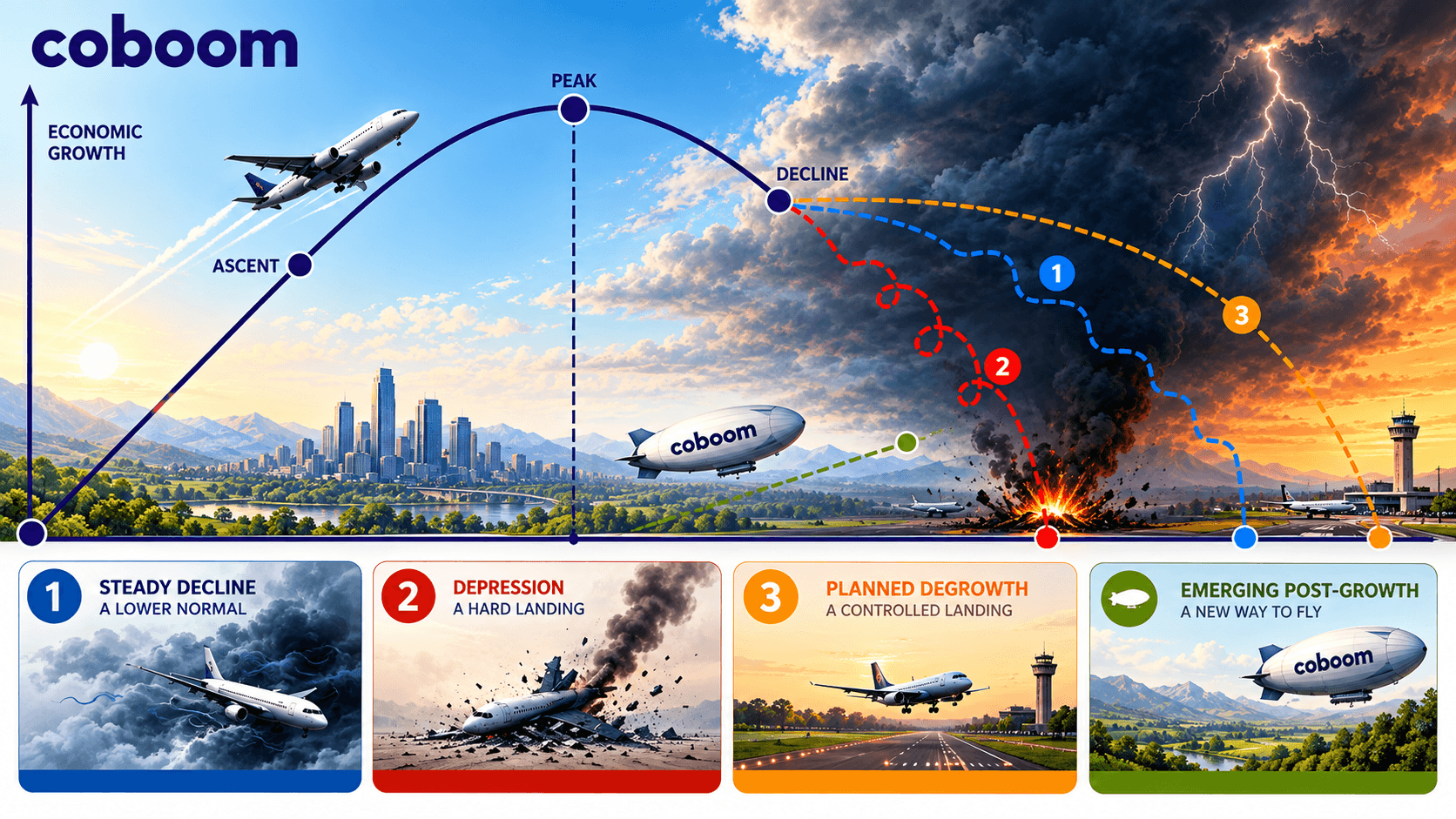
This time, work may not simply shift from one sector to another as it did during previous industrial revolutions. It is being reconfigured. Some activities are gaining value, others are losing it, and some jobs, products, and services may gradually become “Zombies”: still very present today, but already on a path toward decline.
At the same time, trade tensions are rising, supply chains are becoming more regionalized, and geopolitical power struggles are intensifying. Canada has begun to diversify some of its economic relationships, but our dependence on the United States remains significant. For Quebec businesses, waiting for a lasting return to stability is becoming an increasingly risky strategy.
What we are seeing on the ground through our work with SMEs, large companies, municipalities, regional governments, and economic development organizations reinforces the same conclusion: waiting is no longer an option. Business models and economic development strategies built for decades of relatively predictable growth must now contend with much stronger energy, material, demographic, geopolitical, social, and ecological constraints.
Adding AI, robots, sustainability initiatives, or ESG practices on top of increasingly fragile models will not be enough. We need to determine what should be maintained, adapted, developed, and sometimes abandoned. We also need to reduce critical dependencies, simplify what has become unnecessarily complex, and rebuild room to manoeuvre.
This is where robustness and resilience become essential. Robustness is the ability to keep functioning when conditions deteriorate. Resilience is the ability to transform when the existing model can no longer hold. Together, they offer a different way to think about strategy in a world that is unlikely to become as stable as it once was.
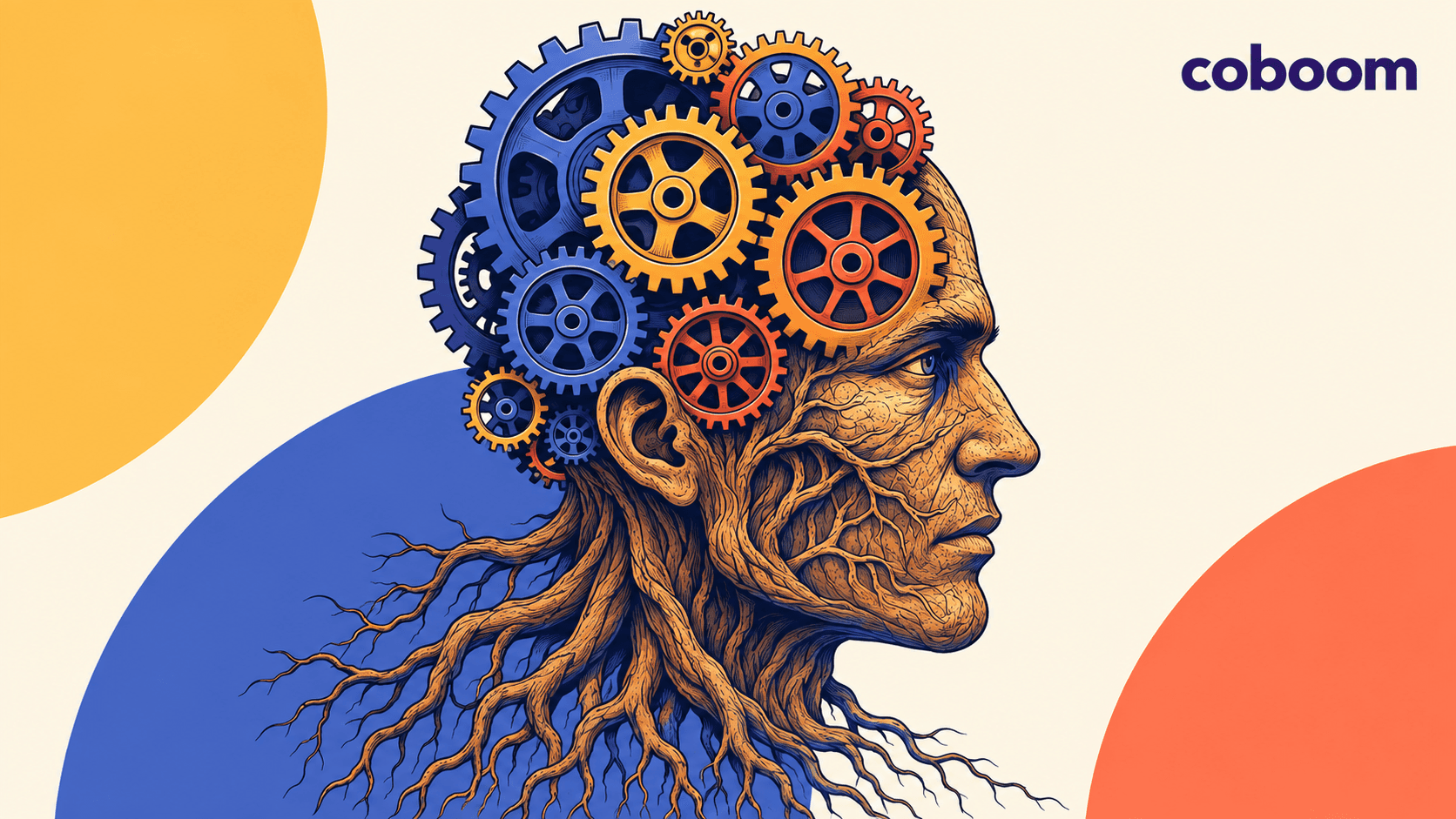
The fifth socioeconomic revolution may therefore be far less technological than many expect. It may be economic, ecological, and social, built not only around growth and acceleration, but around our collective ability to endure within the limits of the real world.
The question we now ask the businesses, municipalities, and economic leaders we work with is simple: are we ready to rethink our foundations while we still have room to manoeuvre, or will we wait until events force us to do it?
To go further, we will share the other articles in this series in the comments.