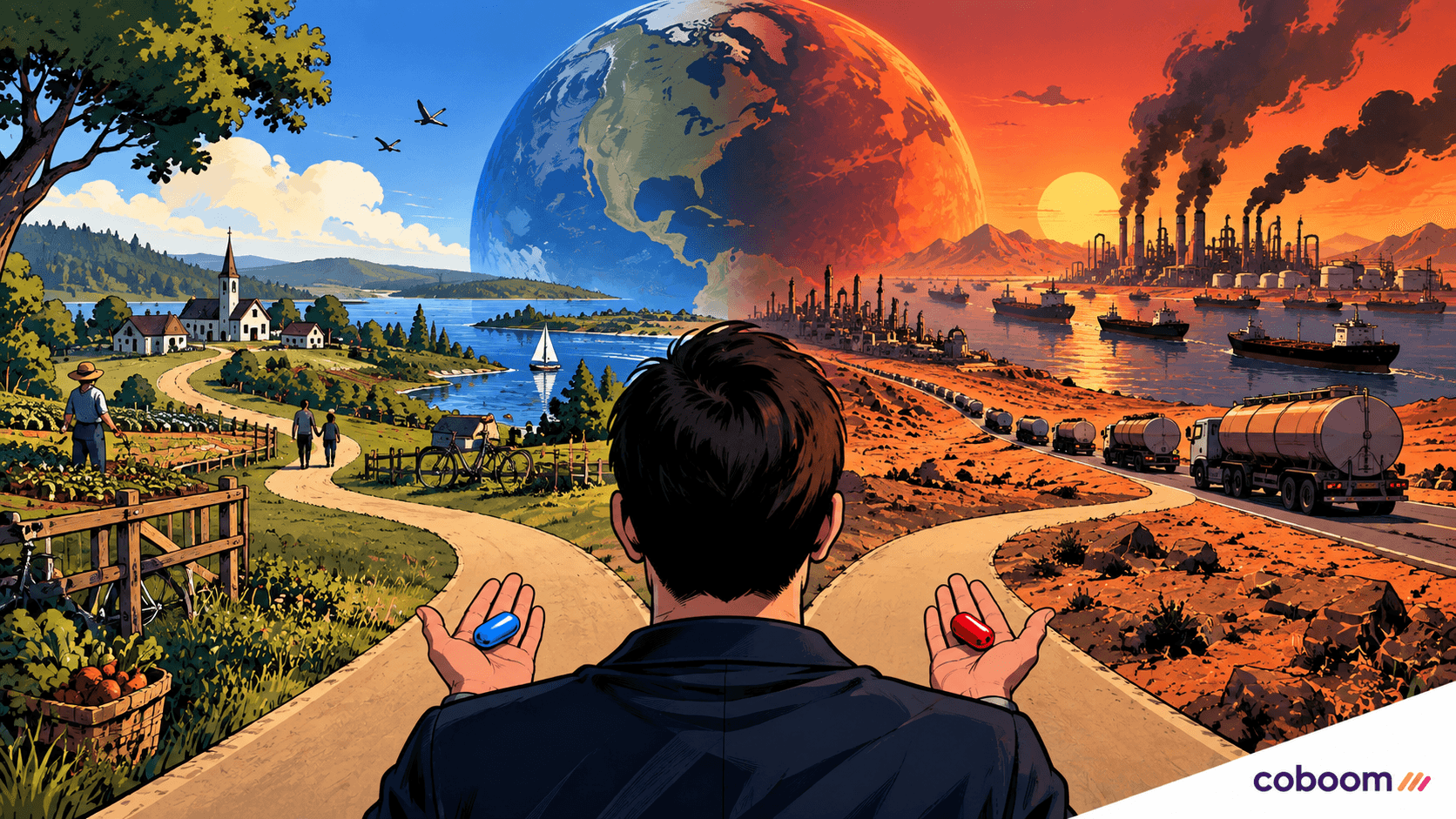
You may remember the scene in The Matrix where the main character must choose between two realities. The blue pill allows him to remain inside a comfortable illusion, while the red pill forces him to see the world as it really is.
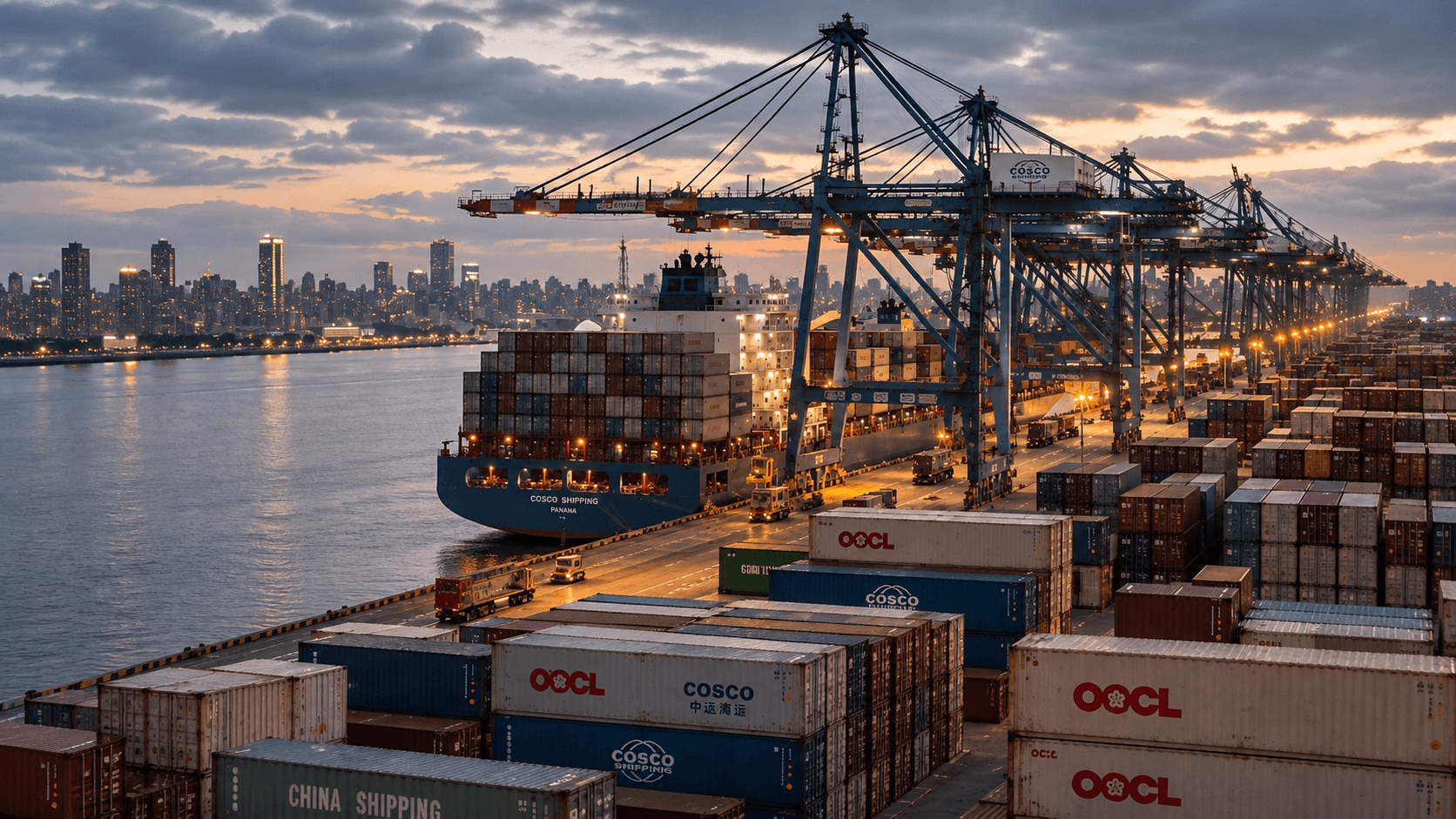
That metaphor has become very concrete. The Strait of Hormuz, nearly closed for months, carried the equivalent of roughly 20% of global petroleum consumption and close to 20% of global LNG trade before the war. When that passage is disrupted, energy, transportation, industrial inputs, and supply chains absorb the shock immediately.
The blue pill is the belief that infinite growth can continue because human ingenuity will always find a technology capable of pushing physical limits further away. Direct air capture, large-scale carbon sequestration, nuclear fusion: we are building economic narratives around technologies that remain far from deployment at the scale required, while continuing to increase our consumption of energy and materials.
The red pill is accepting a physical reality: a material economy cannot grow indefinitely on a finite planet. Kate Raworth’s Doughnut Economics expresses this constraint clearly by defining a space between a social foundation, which guarantees essential human needs, and an ecological ceiling, beyond which we degrade the systems that make life possible.
The Hormuz crisis also shows what happens when physical constraints become geopolitical. Energy, critical resources, trade routes, technologies, and supply chains are increasingly becoming instruments of power as major states compete to secure access to the resources their economies depend on.
For businesses and municipalities, this reality changes strategy. Maximum performance in a stable world gives way to robustness in an unstable one: reducing critical dependencies, preserving room to maneuver, diversifying supply, protecting essential assets, and transforming before crises force the change.
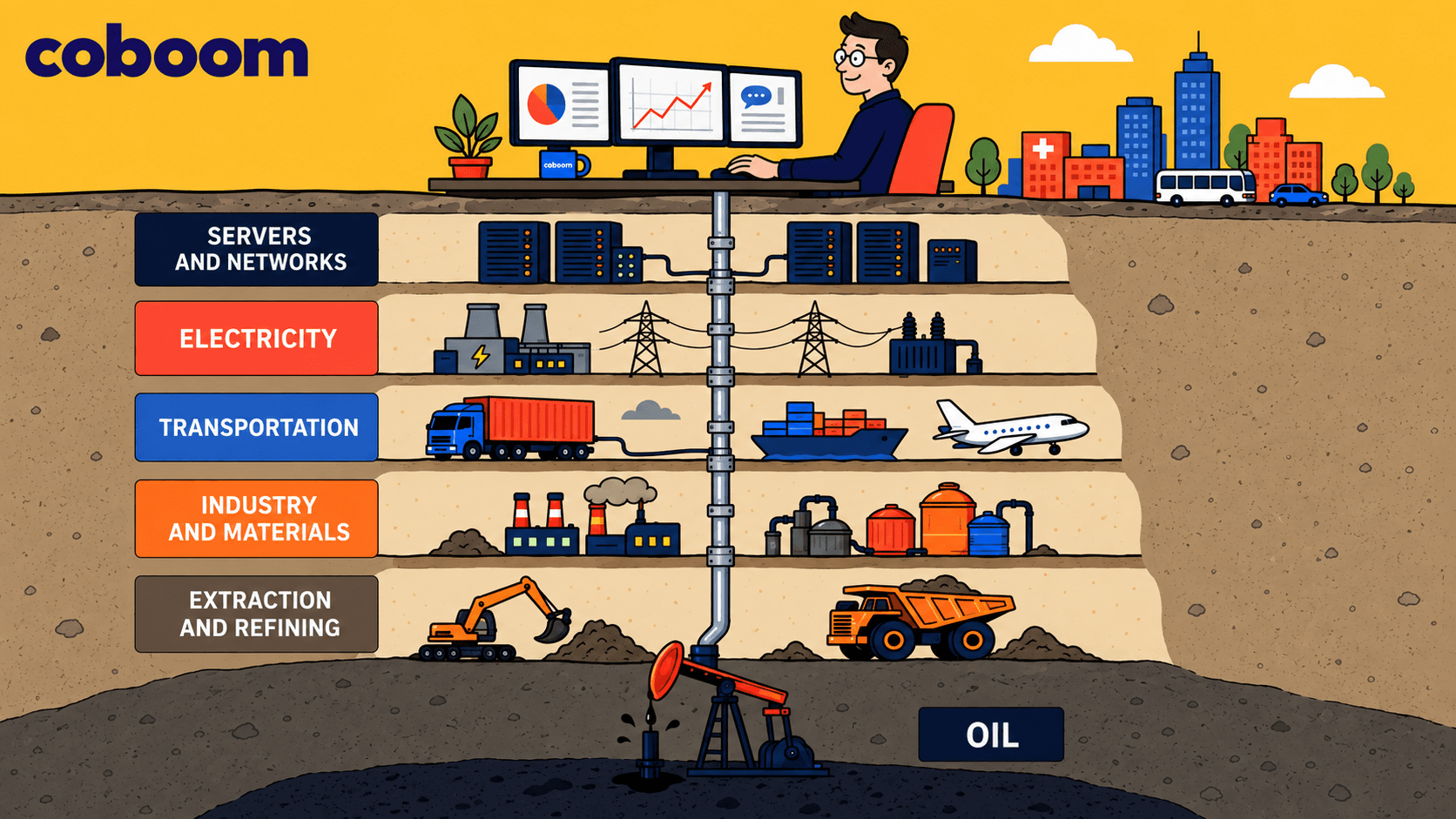
The closure of Hormuz is acting like a global red pill. It is revealing that behind our financial models, growth strategies, and technological promises there are always energy, materials, infrastructure, and ecosystems.
We can keep building strategies as if those limits did not exist, or integrate them directly into our decisions. The physical world will impose its limits either way.