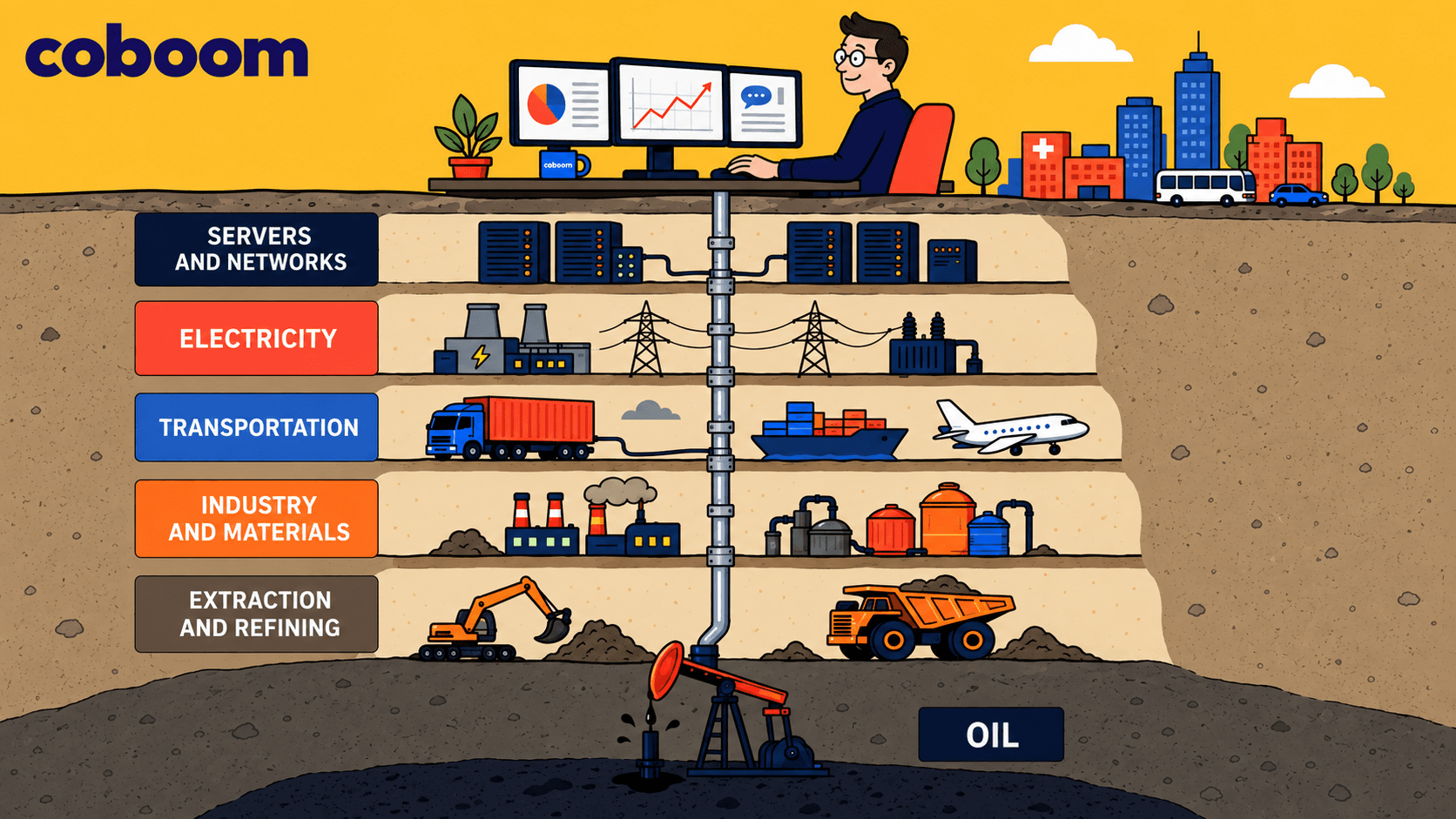
Since 2021, in our consulting engagements and conferences, we have been highlighting a constraint that development strategies still fail to fully integrate: the fundamental role of oil in keeping businesses and communities functioning. Oil accounts for less than 30% of global energy demand, yet it powers the most vital part of our economy: movement.
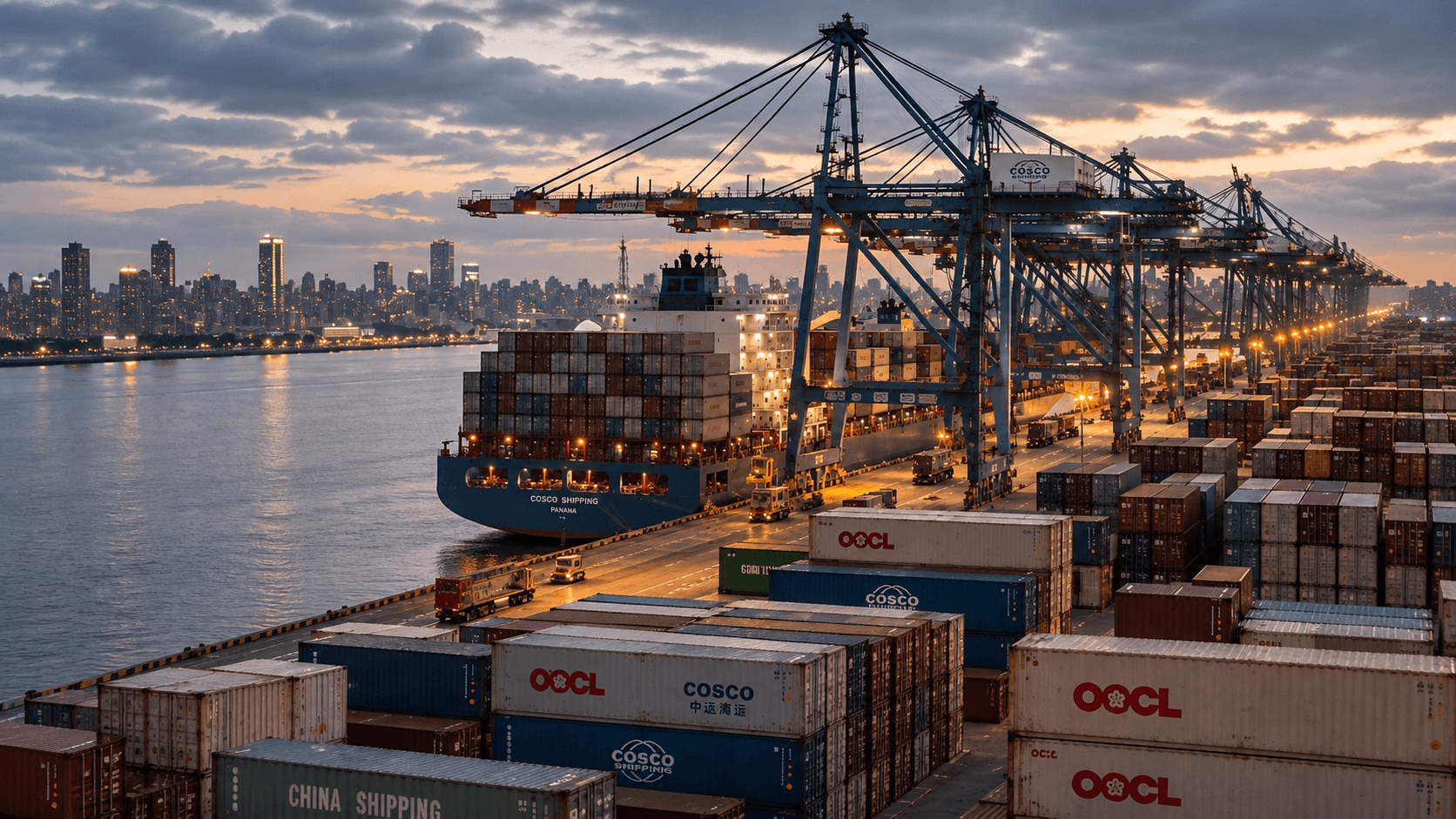
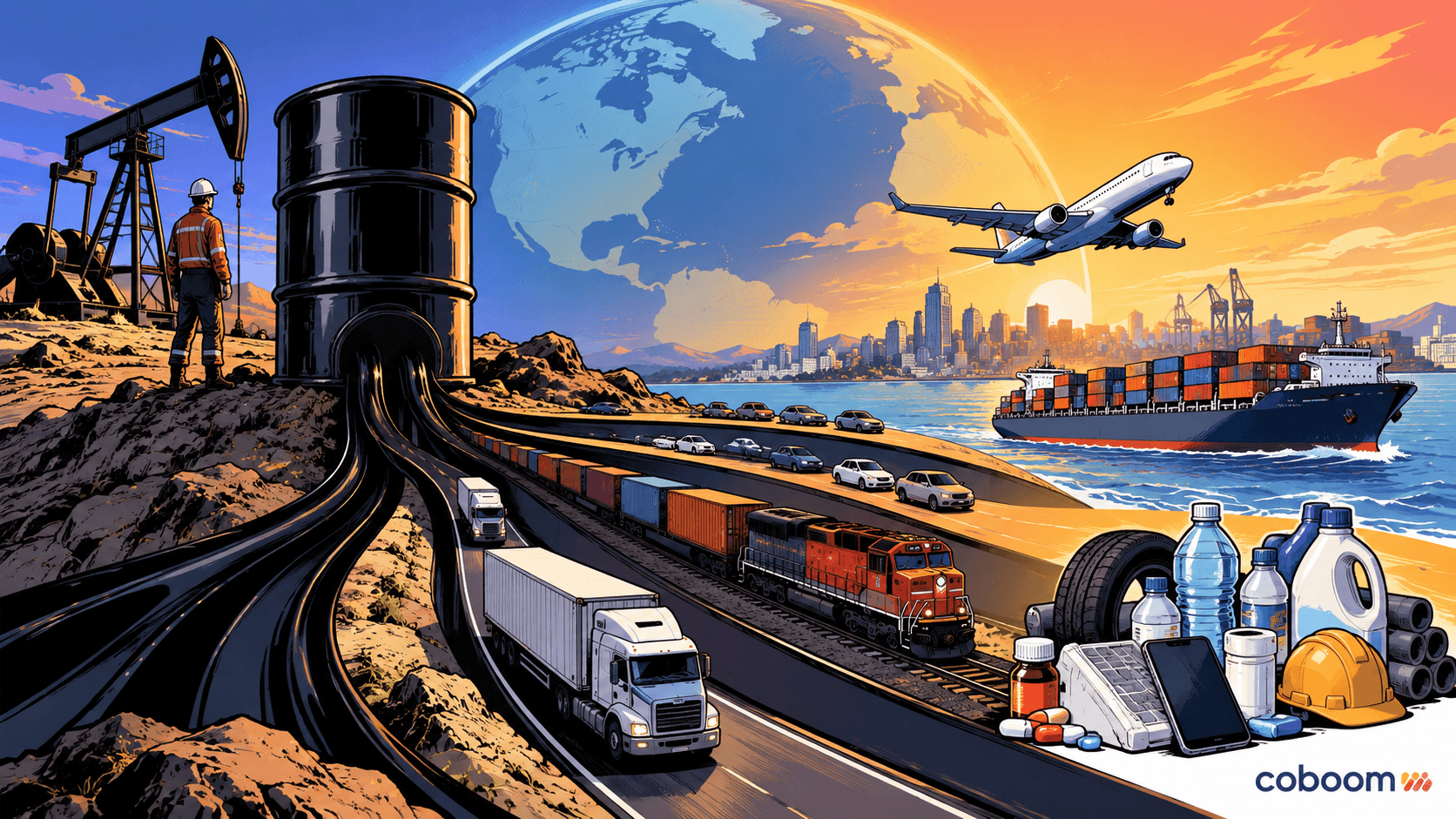
Roughly 85 to 90% of oil is burned as fuel. Gasoline powers cars, diesel moves trucks and trains, jet fuel keeps aircraft in the air, and bunker fuel powers the ships that carry global trade.
The rest of the oil goes into thousands of essential products, from plastics and pharmaceuticals to industrial materials. Our modern economy is far more dependent on oil than its share of the global energy mix suggests.
That dependence is now colliding with a major physical constraint. According to the International Energy Agency, production from existing oil fields would decline by roughly 8% per year without continued investment, forcing the industry to constantly replace what is being lost.
The era of easy oil is behind us. New resources are smaller, deeper, more complex, more expensive, and more energy-intensive to develop, while the economy runs on the net energy left over after spending energy to extract it.
The oil industry is trapped in the Red Queen effect: running faster and faster just to stay in place. Maintaining production requires ever more capital, infrastructure, technology, and energy.
Public debate focuses mainly on a future peak in oil demand driven by the energy transition. At Coboom, we see the decisive constraint coming from supply, because societies use available energy to expand their activities while extraction progressively runs into physical limits.
The IEA places the peak of conventional oil around the end of the 2000s, while research by Delannoy and Murphy suggests that unconventional oil could peak in the early 2030s. The critical question is therefore how much net energy our economies will still be able to mobilize to transport goods and people, manufacture products, build infrastructure, and feed populations.
The war involving Iran, the United States, and Israel has already provided a brutal reminder of this vulnerability. The Strait of Hormuz, through which roughly 20% of the world’s petroleum liquids pass, has shown how quickly a disruption in a single strategic chokepoint can send oil and diesel prices higher.
When oil becomes scarcer or more expensive, the shock moves through the entire economy: transportation, food, construction, manufacturing, tourism, and supply chains. Margins shrink, prices rise, and business models built on abundant, cheap energy become vulnerable.
Businesses and municipalities that integrate this constraint today can reduce their dependencies, shorten supply chains, and transform their models before circumstances force them to. Economic robustness starts with accepting a simple physical reality: we built our economy on an extraordinary source of energy whose abundance will not last forever.