As early as the late 1980s and early 1990s, our founder, Jean-Pierre Dubé, an automated production engineer from the École de technologie supérieure (ÉTS) in Montreal, was already working on industrial applications of artificial intelligence. He designed a neural network to control an industrial process, followed by an expert system to capture the knowledge of a metallurgical engineer who was about to retire.
Since then, we have closely followed the evolution of artificial intelligence, convinced that it would eventually transform the way we work. That moment has arrived.
In 1965, Gordon Moore predicted that computing power would roughly double every two years. Decades later, research on AI scaling laws showed that model performance improves as data, model size, and computing power increase. We are no longer dealing with the simple improvement of a digital tool, but with a technological acceleration that is gradually reaching nearly every form of knowledge work.
We see AI as a general-purpose technology, much like the steam engine, electricity, the telephone, or the Internet. These technologies do more than improve a few tasks: they transform businesses, occupations, the skills in demand, and eventually the structure of the economy itself.
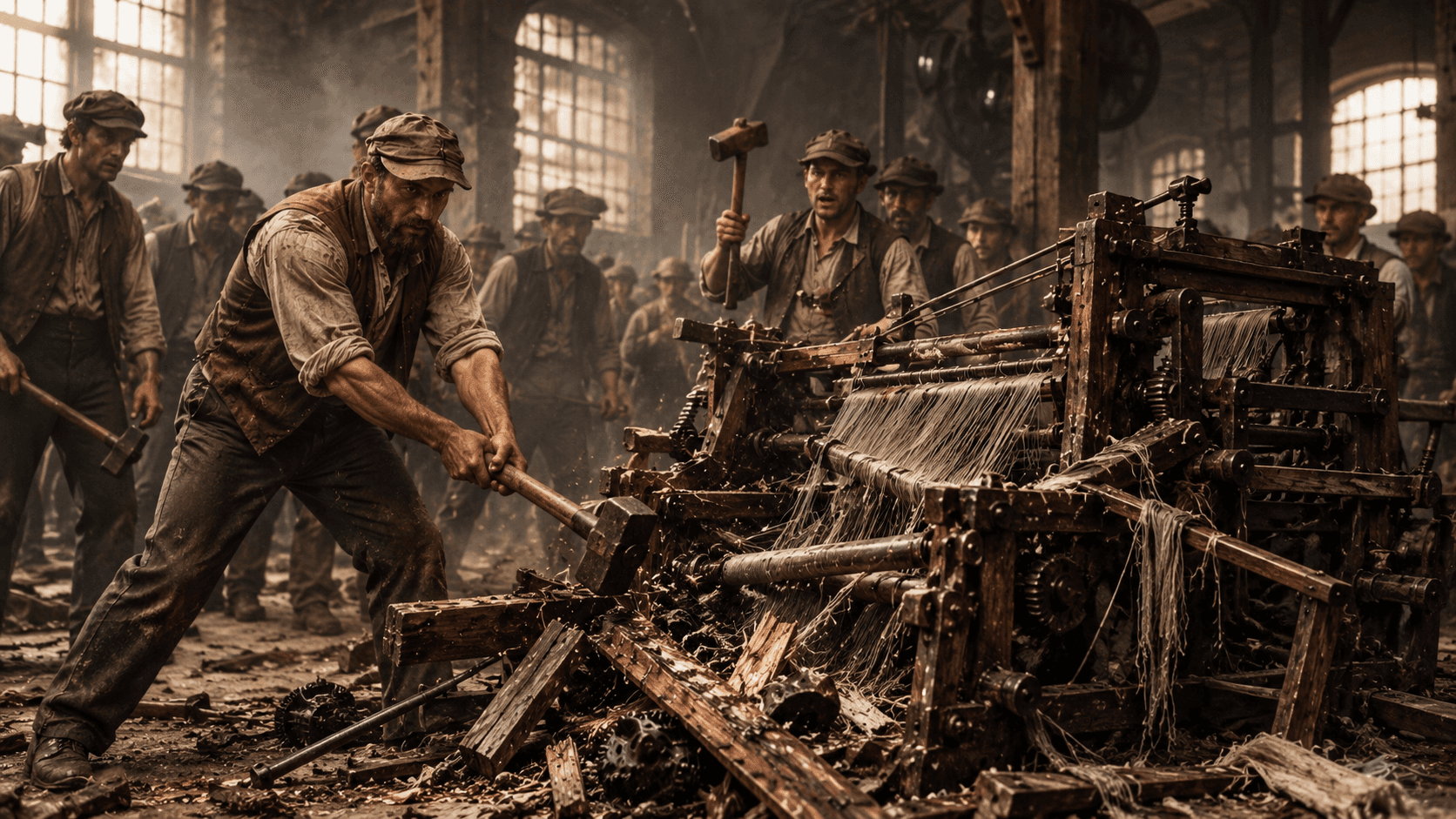
At the beginning of the first Industrial Revolution, artisans in the Luddite movement resisted mechanization that directly threatened their skills and autonomy. Two centuries later, a similar disruption is now reaching knowledge work. Tasks that were once reserved for highly qualified professionals can increasingly be performed, accelerated, or automated by machines.
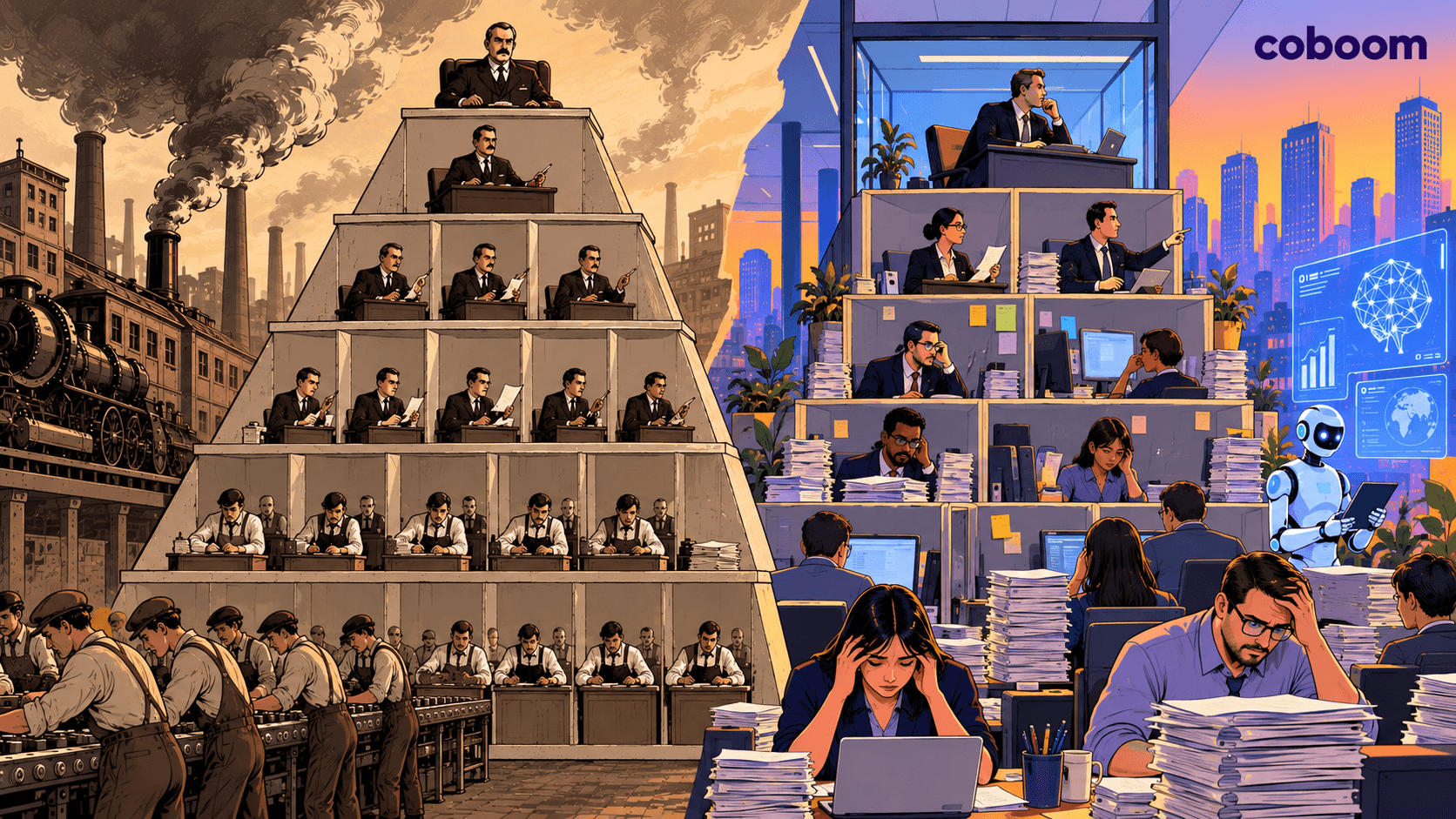
Since the postwar boom, we have increasingly associated professional success with higher education and the shift from manual work to knowledge work. The office, the diploma, and later the keyboard became symbols of social mobility and value creation.
We believe many knowledge-based jobs could experience significant decline by 2030. Unlike previous industrial revolutions, which contributed to the expansion of knowledge work, AI could alter that dynamic and increase the relative value of activities that are much harder to automate. Building, repairing, installing, farming, caring for people, supporting others, or working physically in complex environments may therefore retain a form of human value that is much more difficult to replace.
Some knowledge-based jobs, particularly in professional services, could even become “Zombie” jobs: still widespread and economically viable today, but already on a path toward rapid decline. When a machine can produce in seconds an analysis, a text, a model, a technical drawing, or a piece of code that once required hours of human work, the economic value of certain skills inevitably changes.
As a growing share of our knowledge is transferred to machines, Generations Y, Z, and Alpha will likely need to rely on a different mix of manual, interpersonal, and digital skills. Long years of education will no longer guarantee strong value in the labor market, and colleges and universities will need to rethink their programs, teaching methods, and sometimes even their role.
After several decades of valuing the move from the hammer to the keyboard, we may be entering a period in which knowing how to build, repair, care, grow, and interact with others once again takes on a central role in the economy.